

Downsizing in Cumberland County: what to know before you move
If you’re thinking about moving into a smaller home in Cumberland County, you’ve probably talked yourself in and out of it more than once. Maybe the stairs in your Portland two-story are getting harder to climb, or the heating bill for three empty bedrooms has stopped making sense. Some people just look around on a quiet Saturday and realize they’re maintaining a lot of house for the life they have now.
Wanting a smaller place is the easy part to understand. The hard part is everything after that: deciding what stays, what goes, and how to sell the house you’re leaving while you’re still lining up the next one. People tell us it feels like ten small projects that all landed in the same week.
We Buy Houses In Maine is a family-owned business based in Scarborough, and we’ve been buying homes across Southern Maine since 2017. We’ve sat at a lot of kitchen tables with homeowners in exactly this spot. This guide covers what we’ve seen work, and it’s honest about when working with us makes sense and when it doesn’t.
Why people downsize
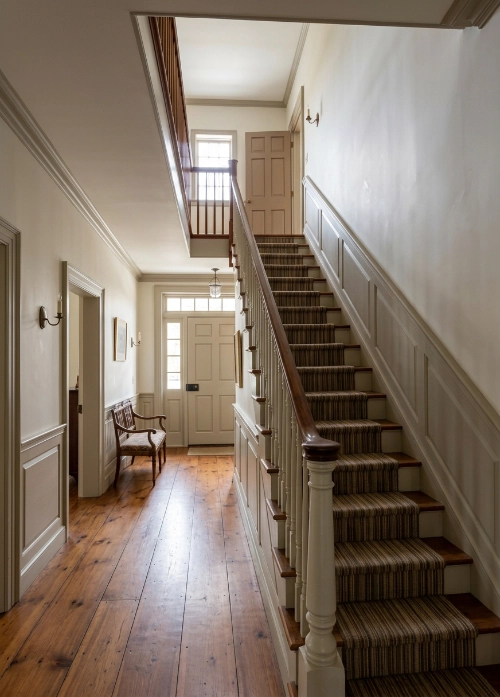
Money is usually the first reason, and it’s a practical one. A smaller home generally means a smaller mortgage, or none at all, along with lower utility bills and less spent on the roof and the furnace. In Maine, where a long heating season makes an oversized house expensive, the difference adds up fast. Some people put the savings toward travel. Others just stop feeling that knot in their stomach when the oil bill arrives.
Time is the second reason. A big house takes big weekends. Homeowners in Windham, where lots tend to run larger, often tell us the yard work alone is what tipped the decision. Less lawn and fewer rooms to clean means more hours for grandchildren, hobbies, or a long lunch that doesn’t end with a to-do list.
Location matters too. Plenty of people move closer to a hospital or to their kids, so appointments and errands stop requiring a long drive. Others want to be able to walk to a pharmacy or a coffee shop, which is a big part of why Portland and Westbrook apartments and condos draw so many downsizers. In a Maine February, that counts for a lot.
And for some people it’s a fresh start. Retirement or a loss in the family can bring it on, or it just feels like the right time. A smaller space gives you the chance to set things up around the life you have now. The house that suited a full dinner table may not suit you anymore, and that’s okay.
Practical tips for a smoother move
Start earlier than feels necessary
Give yourself months, not weeks. Sorting takes longer than anyone expects, mostly because a single box of old photographs can eat an afternoon. Starting early lets you work in short sessions and stop when it gets heavy.
Decide what your new place needs
Before you decide what to keep, get clear on what the new home has to do. Think about bedrooms, storage, and whether you’d want a first-floor bedroom or a step-free entry five years from now. Those answers make the keep-or-go decisions much easier.
For an excellent source of information, The National Institute on Aging has a plain-language page on aging in place and housing options that’s worth reading before you start touring anything
Sort room by room
Make three piles: keep, donate or sell, and let go. Begin with the least emotional spaces, like the garage or a hall closet, so you build some momentum before you reach the attic or a parent’s belongings. If you haven’t touched something in two years and nobody in the family is attached to it, it probably doesn’t need to come with you.
Measure the new space
Bring a tape measure to the new place before you commit to the sofa. It’s a small step that saves a lot of grief on moving day, when you find out the dining table will never fit through the door.
Scan what you can
Old tax returns, recipe cards, and school photos take up more room than you’d think. A phone app or a basic scanner turns most of it into files you can keep on a drive and share with family.
Pick furniture that works harder
In a smaller home, a storage ottoman or a bed with drawers earns its spot. So does a drop-leaf table that opens up for the holidays and folds away the rest of the year.
Label as you pack
Use clear bins and mark each one by room. Keep a short list of what’s in the boxes you’ll need first, because you will want the coffee maker before you want the winter coats.
Give yourself permission to let go
Parting with belongings is rarely about the objects. If something holds real memories, take a photo of it, or ask whether a son, daughter, or niece would like to have it now instead of later. Seeing a family piece get used tends to feel better than watching it sit in a storage unit.
Bring in help when you need it
Professional organizers and movers exist for a reason. If the job starts to feel like more than you and your family can carry, hiring someone is a practical decision, not a failure.
Mark the move
When it’s done, do something small to celebrate. Have dinner at your new kitchen counter, even if it’s takeout on paper plates. You’ve done something hard.
Selling the house you’re leaving
For a lot of people, selling the current home is the piece that makes the whole plan feel shaky. The traditional route usually involves repairs, a full cleanout, staging, weeks of showings, and a wait for a buyer whose financing might still fall through. Meanwhile you may be paying for two homes at once.
For some sellers, that route is the right one. If your house is in good shape and your timing is flexible, listing with a realtor may bring in more money, and we’ll tell you so.
For others, a direct sale is simpler. That tends to be true when the house is dated or full of belongings, or when a date on the calendar is driving everything, such as a lease ending or a spot opening up in a senior living community. We buy in Portland, Westbrook, Windham, and the towns around them, and we’re used to older homes that have had decades of deferred maintenance.
When we buy a home directly, you don’t make repairs and you don’t hold showings. There are no realtor commissions, and you choose the closing date. If your new place won’t be ready until spring, we can plan around that. If you need to move faster, we can do that too.
We also show our math. Our offer is based on what your home would be worth after renovation, minus what the renovation will cost us. We’ll walk you through exactly how we arrived at that number. We’ll also explain what a traditional sale would likely bring in after repairs, commissions, and carrying costs, so you can compare the two side by side and decide for yourself.
We’re BBB accredited with an A+ rating, and you’re welcome to look us up before we ever talk. Trust takes longer to build than a rating, though, so we’d rather earn it in the first conversation by listening more than we talk.

Help with the move itself
Selling is only half of a downsizing move, and the other half is getting your life from one address to another. We coordinate the move logistics so you aren’t juggling closing dates, movers, and a moving truck on your own. If your closing is set for a Friday and your new apartment opens up the following Monday, we’ll help you sort out the timing so you aren’t left in between.
Then there are the things left behind. Years of accumulated belongings are often the part people dread most. We can arrange donations and an estate sale, and we’ll dispose of what can’t be reused. If you’d rather not spend your last weeks in the old house hauling boxes to the curb, tell us. Some people need help with one piece of the process, and others want us to handle all of it. Either is fine, and we’ll shape what we do around what you actually need.
When we’re not the right fit
Let’s be honest, our company aren’t the right answer for everyone in Maine. If you have plenty of time, your house needs very little work, and you’d like to get the highest possible price, a realtor will probably serve you better than we can. We’d rather say that up front than waste your time.
If money is the sticking point, the Southern Maine Agency on Aging has resource specialists who can talk through housing options, benefits, and other programs for older adults in Cumberland County.
The same goes for situations where the numbers don’t line up, for example when what you owe on the home is close to what it would sell for. We’ll explain that plainly and point you toward people who can help.
Taking the first step
Downsizing in Cumberland County can feel like a lot to hold at once. It usually gets easier once you break it into pieces and decide which ones you want help with.
If you’re at the very beginning and just want to talk it through, that’s a fine place to start. There’s no pressure and no deadline on our end, and you can take the time you need. Call us at (207) 387-3811 and tell us what your situation looks like. We’ll listen first, and then we’ll see if we can find a solution that works for you.