

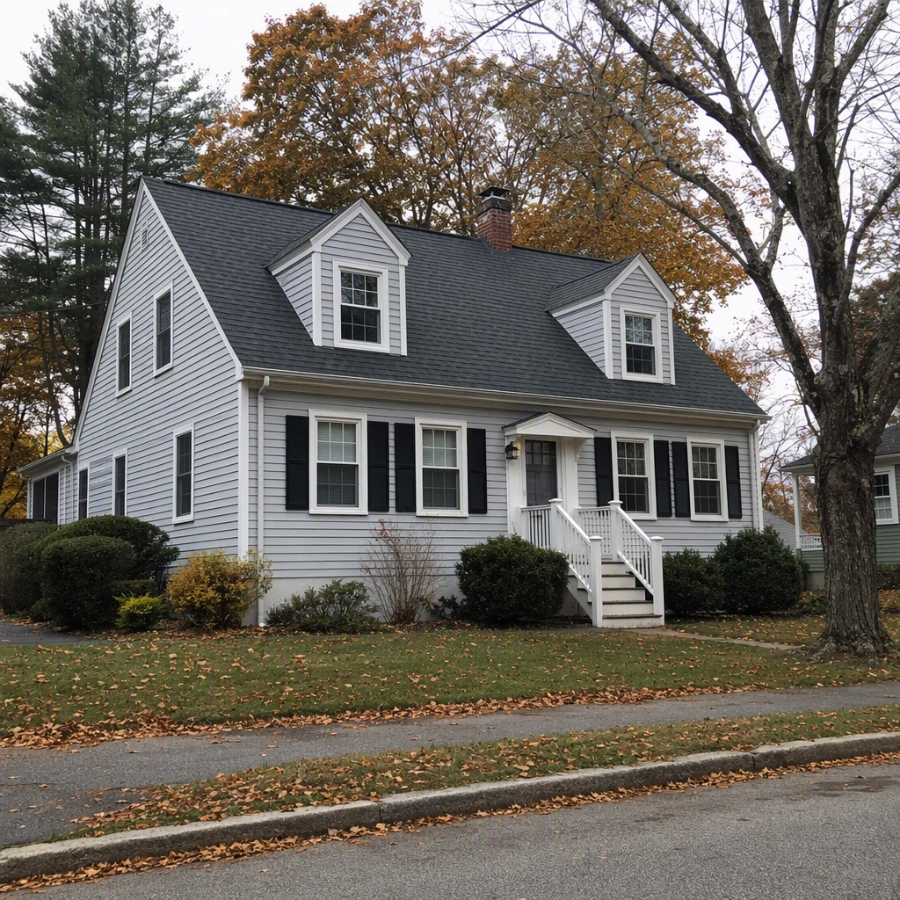
Selling a house you inherited is hard enough on its own. Add several heirs into the mix, all with their own opinions about the property, and it can feel like too much to handle. That’s normal. Most people going through this just lost someone close to them, and now they’re supposed to make big financial decisions about a place that’s full of memories, sometimes with siblings or cousins they don’t agree with on much.
The good news is that it doesn’t have to turn into a mess. Getting help from people who’ve handled these situations before makes a real difference, and understanding how the process actually works before you start can save you a lot of stress. That’s what this guide is for: a walk-through of what to expect when you’re selling an inherited house in Maine with multiple heirs involved.
Working Together
Selling as a group goes a lot smoother when everyone’s actually on the same page, and getting there usually starts with a conversation, not a listing agent. In Maine, most of the inherited house sales I hear about involve siblings, and siblings bring their own history into the room. Old rivalries, who took care of mom the most in her last years, who thinks they deserve a bigger cut. None of that goes away just because there’s a house to sell.
That’s why the first real step is getting everyone together, in person if you can manage it, and just listening. What does each heir actually want? Some people need the cash fast and don’t care about getting top dollar. Others want to hold out for a better offer, or they’re attached to the house and want more time before it goes anywhere. You won’t know unless you ask, and skipping this step is how families end up in months-long standoffs.
It helps to write down what everyone agrees to, even informally. A shared timeline, a rough split of proceeds, who’s handling repairs or cleanout if needed. When a disagreement comes up later (and it usually does), having that groundwork already laid makes it a conversation instead of a fight.

Determining the Executor
Every inherited house sale needs someone steering the ship, and that’s the executor. Their job is to carry out what the will says, and when there are multiple heirs, that often means being the tiebreaker on decisions nobody can agree on. It’s not a small role, and who fills it matters more than most families realize going in.
Sometimes the will already names an executor, usually a spouse, an adult child, or occasionally an attorney. Other times, especially without a will, the heirs have to sort it out themselves or let the probate court appoint someone. Either way, it’s worth thinking through who’s actually right for the job before assuming it should just go to the oldest sibling or whoever’s local.
Having a family member serve as executor has real upsides. They know the property, they know the family history, and they’re not charging a fee for their time. The catch is that they’re also emotionally involved, and that can work against them. A sibling-executor who’s grieving alongside everyone else may struggle to say no to a brother who wants to hold the house off market for another year, or a cousin who insists on a repair that won’t add value at resale. Even with good intentions, family ties can make it hard to hold a firm line.
Hiring a professional executor, like an attorney or a fiduciary, costs money, and that’s the main downside. But what you get in return is distance. A professional has no stake in old family arguments and no reason to favor one heir’s wishes over another’s. Their focus stays on what the will actually says and what protects the property’s value, not on keeping the peace at Thanksgiving. For families where tension is already running high, that distance is often worth the fee.
Either way, the executor’s north star should be the same: don’t let one heir’s preference drag down what the house is actually worth. A decision that makes one person happy but costs the estate real money isn’t a fair trade for anyone else involved
What If the Executor Does Not Do Their Job?
Not every executor handles the job well, and when heirs are already stressed and grieving, it doesn’t take much to turn a slow process into a suspicious one. Missed deadlines, no updates for months, money that doesn’t add up. Sometimes it’s genuine mismanagement. Sometimes it’s an executor who’s just in over their head. Either way, heirs have real options, and it helps to know what they are before frustration turns into a stalemate.
Under Maine law, an executor (called a personal representative in the state’s probate code) owes the estate a fiduciary duty, and mishandling that duty opens them up to liability for any resulting loss to the same extent as a trustee managing a trust would be. In plain terms, this means the executor can’t play favorites, can’t use estate funds for personal reasons, and can’t drag their feet without consequence. If heirs suspect this is happening, the first move is usually documenting the specifics: missed communications, delayed filings, unexplained expenses, anything concrete. Justia
From there, heirs can petition the probate court directly. Courts can remove a personal representative for neglect, mismanagement, or a conflict of interest, and can appoint a successor to take over. This isn’t a fast process. It usually means hiring a probate attorney, filing a formal petition, and waiting for a hearing, which can stretch the sale out by months on top of whatever delay the executor already caused. For heirs who are already dealing with the emotional weight of losing a family member, that extra stretch in probate court is exhausting on its own. Thelegalguide
That’s where a direct sale can change the equation. A company like We Buy Houses in Maine can make a cash offer and close in as little as a few days to a couple of weeks, without waiting on financing, without a buyer backing out over inspection results, and without the property sitting on the market while the estate sorts out its issues. It doesn’t fix a broken executor relationship on its own, but it does remove one major variable. Once all heirs agree on selling, a fast, straightforward closing means the house stops being a source of ongoing conflict and becomes a resolved matter.
If you’re dealing with a executor dispute, it’s worth talking to a probate attorney early. The Maine Probate Code (Title 18-C) lays out the specific grounds and process for removal, and an attorney can tell you quickly whether what you’re seeing rises to that level or is just a slow process moving as expected.
Sell Directly to We Buy Houses in Maine
Selling a house to a real estate investor isn’t the right move for every family, but for heirs juggling repairs, disagreements, and the emotional weight of the whole process, it solves a lot of problems at once. At We Buy Houses in Maine, we buy homes as-is, which means the leaking roof, the outdated kitchen, or the years of deferred maintenance don’t need to get fixed before closing. We handle that after the sale, not before.
That matters more than it might seem for a house with multiple heirs. Under Maine’s property disclosure laws, sellers are required to tell buyers about known defects, and if several heirs are involved, getting everyone to agree on what needs disclosing (and who’s liable if something gets missed) can turn into its own separate argument. Selling directly to us sidesteps that. We take on the property, and the risk that comes with it, as-is.
There’s also the timeline. A traditional listing means prepping the house, staging it, sitting through showings, and waiting on a buyer who still needs mortgage approval, which can fall through even after an accepted offer. A direct sale skips all of that. We can typically close in a matter of days to a few weeks, in cash, on a date that works for you and the other heirs.

Here’s how your options generally stack up:
| Sell directly to We Buy Houses in Maine | Traditional listing | Auction | |
|---|---|---|---|
| Timeline | Days to a few weeks | 60-90+ days on average | 30-45 days, but final price varies |
| Repairs needed | None, sold as-is | Usually required for top offers | None, sold as-is |
| Disclosure risk | Minimal, we assume the risk | Full seller disclosure required | Full seller disclosure required |
| Sale price | Below full market value | Highest potential price | Unpredictable, can go either way |
| Coordination among heirs | One offer, one closing date | Ongoing decisions (pricing, showings, offers) | Ongoing decisions plus auction logistics |
None of this means a direct sale is automatically the better choice. If the house is in good shape and the heirs are aligned on timeline and price, listing traditionally will likely net more money. But if the property needs work nobody wants to pay for, or if drawing out the process risks the family fighting over pricing decisions for months, a direct sale trades some of that top-dollar potential for speed and simplicity.
Whatever you decide, you don’t have to sort it out alone. If you’ve got questions about a property you’ve inherited with other heirs, reach out to us. There’s no obligation, and no pressure to sell before you’re ready. Send us a message or call us at (207) 387-3811.
Conclusion
Selling an inherited house with several heirs involved is rarely simple, but it doesn’t have to become a source of lasting family conflict either. Start with an honest conversation about what everyone wants. Get clear on who’s handling the estate and make sure that person is equipped for the job. And if disagreements or delays start piling up, know that you have options, from probate court to a straightforward direct sale, depending on what the situation calls for.
Every family’s circumstances look a little different, which is why it helps to talk through yours with someone who’s seen this play out before. If you’re navigating this in Maine right now, We Buy Houses in Maine is here to help, whether that means answering a few questions or making you a fair, no-obligation offer. Send us a message or call (207) 387-3811 to get started.